Syringe Design: A Practical Review for Medical Embroidery
As an embroidery designer who has spent years digitizing and stitching thousands of designs, I approach every new machine embroidery design with a critical eye. It is not just about whether the image looks cute on a screen; it is about how it translates to thread, how it holds up in the wash, and whether it adds genuine value to a handmade product. Recently, I evaluated Syringe, a graphic resource featuring a syringe clip art cartoon. While categorized broadly under Crafts and Graphics, its application in the embroidery world requires a specific set of considerations that go beyond simple aesthetics.
First Impressions and Visual Personality
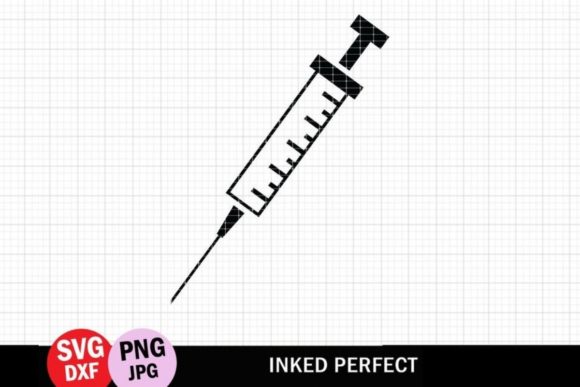
The first thing that strikes you about Syringe is its clarity. The cartoon style suggests a approachable, rather than clinical, mood. This is crucial because medical imagery can often feel cold or sterile. By using a cartoon aesthetic, the design softens the subject matter, making it suitable for a wider range of applications. For an embroidery project, this means the lines are likely bold enough to be readable even when scaled down. However, as a reviewer, I look past the initial charm to assess the structural integrity of the shapes. Are the curves smooth? Is the balance between the barrel, plunger, and needle proportionate? In digital design assets like this, grouped colors in SVG files usually indicate distinct elements, which is a good sign for potential manual digitizing or cut-file usage.
Real-World Application: The Custom Tote Scenario
To truly test the viability of Syringe, I imagined a real-life scenario: a custom order for a local nursing school’s graduation gifts. The client wanted a durable tote bag design that was professional yet fun. This is where the rubber meets the road. Would this syringe graphic work on a heavy canvas tote? Absolutely. The bold outlines typical of cartoon clip art translate well to satin stitch or dense fill stitch work on textured fabrics.
I envisioned placing the design on the front pocket of a canvas tote. The simplicity of the syringe shape allows it to stand out without requiring excessive thread coverage, which keeps the production time reasonable for a small shop product. For an Etsy seller or craft business owner, time is money. A design that stitches cleanly and quickly is invaluable. If I were producing these as a personalized gift batch, I would appreciate that the cartoon style forgives minor tension issues that might plague more photorealistic medical illustrations.
Navigating Fabric and Hoop Constraints
While Syringe is versatile, it is not universal. There are specific situations where I would advise caution. For instance, if you are working with a small hoop size, such as a 4x4 inch hoop for a cap or a baby item, you must ensure the details do not become muddy. The needle of the syringe, being a thin element, could easily get lost if the stitch density is too high or if the scaling is too aggressive.
When working on stretchy fabrics like those used in baby embroidery or custom apparel such as t-shirts, stabilization is key. A cartoon design with solid areas may require a cut-away stabilizer to prevent puckering, especially if the design includes larger filled sections. On dark fabrics, the contrast becomes your best friend. I recommend testing the design in black and white mockups first to ensure the outline remains visible against the background. If the original graphic relies on subtle color shifts, you may need to adjust your thread colors to maintain visual separation between the plunger and the barrel.
Commercial Viability and Product Value
For those running a craft business, the commercial potential of Syringe lies in its niche appeal. It is perfect for holiday embroidery projects related to healthcare appreciation weeks, nurse birthdays, or doctor retirements. It also fits well into commercial embroidery for clinic branding, provided the tone matches the facility’s vibe. An embroidered patch featuring this design could be a popular item for scrub caps or lab coats, adding a touch of personality to uniform attire.
However, professionalism is paramount. While the cartoon style is friendly, it must not look amateurish. The quality of the digital embroidery file you generate from this graphic resource will determine the perceived value of the finished product. If you are converting the SVG or DXF files yourself, pay close attention to node placement. Smooth curves in the vector file should translate to smooth satin columns in the embroidery. Jagged edges in the source file will result in jagged stitches, which can undermine customer trust.
Practical Designer Notes for Best Results
Before you commit to a full production run, here are my practical recommendations for using Syringe:
- Test on Scrap Fabric: Always stitch out a sample on the same type of fabric you intend to use for the final product. This helps you identify any pull or distortion issues early.
- Check Thread Contrast: Ensure there is enough contrast between the syringe body and the background fabric. High contrast improves readability, especially from a distance.
- Review Stitch Density: If you are digitizing this from the provided graphics, avoid over-densifying the fill areas. Too many stitches can make the fabric stiff and uncomfortable, particularly on wearable items like sweatshirt embroidery.
- Confirm Hoop Size: Make sure the design fits comfortably within your hoop with adequate margin for stabilization. Do not push the design to the very edge of the hoop.
- Inspect Small Details: Pay special attention to the tip of the needle and the end of the plunger. These fine details may need simplification or reinforcement with tack-down stitches to prevent unraveling.
- Licensing Verification: Since Syringe is provided as a graphic resource with SVG and DXF files, verify the license terms before selling finished items. Some graphic licenses differ from standard embroidery font or design licenses. Ensure you have the right to use the converted design for commercial sales.
Final Verdict
Syringe is a solid addition to your library of design assets if you serve the healthcare community or create themed gifts. Its cartoon style offers a friendly alternative to stark medical imagery, making it suitable for printable mockup previews and tangible goods alike. By respecting the limitations of fabric texture and hoop size, and by paying attention to stitch quality, you can turn this simple graphic into a high-value embroidery file that delights customers. Whether you are creating a unique applique design for a quilt or a simple logo for a clinic’s promotional items, this design holds up well under scrutiny. Just remember that the transition from screen to stitch requires careful planning, but the result can be a charming and professional addition to your portfolio.